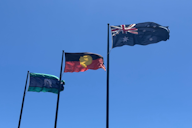
Aboriginal and Torres Strait Islander flags
This page from Reconciliation Australia explains the history, meaning, and proper use of the Aboriginal Flag and the Torres Strait Islander Flag, two of Australia's three official national flags. It covers the symbolism of each flag, how to display them correctly, and the copyright rules that apply. It is useful for any organisation or individual working with First Nations communities.
Aboriginal and Torres Strait Islander flagsAboriginal and Torres Strait Islander People's rights
This web resource from the Australian Human Rights Commission explains the rights of Aboriginal and Torres Strait Islander peoples under Australian and international law. It covers key protections, practical guides, and support services. It is useful for anyone working with or alongside First Nations communities in Australia.
Aboriginal and Torres Strait Islander People's rightsThis article examines Indigenous perspectives on economics and self-determination in Australia, highlighting historical dispossession, economic exclusion, and alternative frameworks for wealth. It explores Indigenous values of communal wealth, economic sovereignty tied to land and spirit, and sustainable solutions.
Aboriginal EconomicsAcknowledgement of Country and Welcome to Country
This guide from Reconciliation Australia explains the difference between Welcome to Country and Acknowledgement of Country, and how to do both respectfully. It covers the cultural protocols behind each practice and offers practical wording and examples. It is useful for anyone organising events, meetings or communications in Australia.
Acknowledgement of Country and Welcome to CountryAmnesty Australia Reconciliation Toolkit
The Reconciliation Toolkit is a practical guide from Amnesty International Australia. It helps workplaces and community groups take meaningful steps toward reconciliation with Aboriginal and Torres Strait Islander Peoples. The resource explains Australia’s history and the purpose of National Reconciliation Week. It supports users to reflect, learn and act. The Toolkit encourages respectful relationships, cultural understanding and everyday actions that promote fairness and inclusion.
Amnesty Australia Reconciliation ToolkitAmpe Akelyernemane Meke Mekarle ("Little Children are Sacred")
Ampe Akelyernemane Meke Mekarle ("Little Children are Sacred") is the 2007 report of the Northern Territory Board of Inquiry into the Protection of Aboriginal Children from Sexual Abuse.
Ampe Akelyernemane Meke Mekarle ("Little Children are Sacred")An Audio Conversation with First Nations Social Enterprise Leaders
This audio conversation from BlackCard features three First Nations leaders exploring social enterprise through lived experience. Mundanara Bayles of BlackCard, Kylie Penehoe, CEO of the National Indigenous Employment and Training Alliance, and Fiona Harrison, founder of Chocolate on Purpose, share candid insights on purpose, impact, cultural IP and navigating the sector.
An Audio Conversation with First Nations Social Enterprise LeadersAre we mates yet? Agreement making between States and First Nations
This report analyses colonial impacts, truth-telling, and pathways to self-determination, offering insights into decolonisation. While focused on agreement-making between Australian states and First Nations peoples, its strategies for embedding equity and Indigenous sovereignty into governance, policy, and community development have broader relevance.
Are we mates yet? Agreement making between States and First NationsArtificial Intelligence, Copyright and Indigenous Culture – The New Frontier
This article by Terri Janke and Company explores the impact of artificial intelligence on copyright law and Indigenous culture in Australia. It explains how AI technologies raise new risks for protecting Indigenous Cultural and Intellectual Property. The resource discusses ownership, consent, and the use of Indigenous art and knowledge in AI systems. It encourages readers to consider ethical and legal safeguards as digital tools expand.
Artificial Intelligence, Copyright and Indigenous Culture – The New FrontierBeyond the Definition Wars: Structural Exclusion, Sovereignty, and the Future of First Nations Social Enterprise in Australia
This opinion piece argues that Australia's debate over how to define social enterprise is a symptom of a deeper problem: First Nations peoples were excluded from building the frameworks in the first place. It calls for genuine co-design grounded in First Nations sovereignty and terms of reference.
Beyond the Definition Wars: Structural Exclusion, Sovereignty, and the Future of First Nations Social Enterprise in AustraliaCentering Our Ways: Speaking back to the social enterprise sector
This resource is currently being developed. If you would like to be notified when it is published, please email team@understorey.org.au.
Centering Our Ways: Speaking back to the social enterprise sectorCentre for Appropriate Technology (CfAT)
The Centre for Appropriate Technology (CfAT) delivers innovative, community-driven solutions for remote Aboriginal and Torres Strait Islander communities. By integrating Indigenous knowledge with modern technology, CfAT develops essential infrastructure, provides training, and supports sustainable development to enhance self-determination.
Centre for Appropriate Technology (CfAT)Climate, Country, and Our Future
This knowledge paper from First Nations Affairs draws on three national workshops with Aboriginal Community Controlled Organisations to examine First Nations climate leadership in Australia. It argues that communities are already doing climate work, and that funding and policy systems must recognise and resource their authority to lead it.
Climate, Country, and Our FutureClose the Gap, Community Voices: The Pathway to Justice, Equality and Healing
This report from the Close the Gap Campaign examines why progress on Aboriginal and Torres Strait Islander health and life outcomes remains slow, despite years of government commitments. It argues that public sector reform and stronger laws are needed to make change real and lasting. Useful for policymakers, practitioners, funders and community organisations working in Indigenous health and social justice.
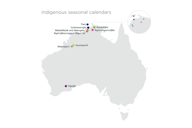
Close the Gap, Community Voices: The Pathway to Justice, Equality and HealingCSIRO Indigenous Seasonal and Cultural Calendars
This resource is a practical guide to Indigenous seasonal and cultural calendars across Australia. It explains how Aboriginal and Torres Strait Islander communities understand natural cycles, weather patterns, plants and animals on Country. The guide shows how these calendars differ by region and reflect local knowledge. It helps viewers learn about Indigenous ways of observing the environment and caring for land and sea.
CSIRO Indigenous Seasonal and Cultural Calendars'Cultural Safety in Australia: Discussion Paper', Lowitja Institute
Cultural safety is pivotal for achieving equity and inclusion in health and human services. This paper focuses on embedding cultural safety into systems for Aboriginal and Torres Strait Islander peoples, addressing systemic racism and power imbalances. While primarily health-focused, its insights are applicable across sectors like social enterprise, community development, and governance.
'Cultural Safety in Australia: Discussion Paper', Lowitja InstituteFirst Australians is a seven-part documentary series that tells the history of Australia from the perspective of its First Peoples, from 1788 to 1993. It gives voice to stories that have rarely been told on Australian television. It is relevant to anyone seeking to understand the foundations of the relationship between Indigenous and non-Indigenous Australians.
First AustraliansFirst Nations Co-Design Platform (AIATSIS)
The AIATSIS First Nations Co-Design Platform supports culturally safe, community-led service design with Aboriginal and Torres Strait Islander communities. It promotes Indigenous knowledge, participatory decision-making, and co-ownership to ensure services align with local needs and aspirations.
First Nations Co-Design Platform (AIATSIS)First Nations Governance, Finance, Land and the Climate Crisis
This open learning webinar, convened by First Nations Affairs, explores what climate leadership looks like when grounded in First Nations governance and worldviews. Speakers discuss co-design, equity, and cultural integrity - calling for stronger accountability, genuine partnerships, and decision-making that centres Country, community wellbeing, and justice.
First Nations Governance, Finance, Land and the Climate CrisisFirst Nations Governance, First Nations Affairs
This guide explains why genuine Indigenous governance requires real decision-making authority, not just consultation with suggestions for how to embed it. It makes clear the difference between tokenistic advisory roles and legitimate power-sharing structures that respect First Nations authority over Country and culture.
First Nations Governance, First Nations AffairsFirst Nations Social Enterprise Circle: Findings Report
This report from the First Nations Social Enterprise Circle shares insights from organisations creating community impact, deeply grounded in values, while facing barriers rooted in colonisation. It invites power-holders across the social enterprise sector to respond with accountable actions and structural change that enables First Nations leadership and self-determination in the social enterprise space.
First Nations Social Enterprise Circle: Findings ReportFirst Nations Startups Fact Sheets - Legal Guide Australia
The First Nations Startups Fact Sheets are practical legal guides from HopgoodGanim Lawyers. They help Indigenous entrepreneurs understand key issues when starting and growing a business. The resource explains topics such as business structures, contracts, intellectual property, funding and risk management. It supports First Nations founders to make informed decisions and to access clear, plain language legal information.
First Nations Startups Fact Sheets - Legal Guide AustraliaFirst Nations Systems Thinking – Common Ground
This article explains systems thinking from Aboriginal and Torres Strait Islander perspectives. It shows how First Nations approaches view the world as connected relationships between people, land, culture and community. The resource introduces key ideas from Indigenous knowledge systems and compares them with Western problem solving methods. It helps readers understand why Indigenous ways of thinking are valuable for addressing complex Australian challenges.
First Nations Systems Thinking – Common GroundFirst Nations Worthwhile Ventures (FNWV) Business Portal
The Business Portal from First Nations Worthwhile Ventures (FNWV) is an online hub that supports First Nations businesses. It offers tools, advice, and opportunities to help people start and grow businesses, while strengthening culture, community, and economic self-determination through FNWV’s broader work in enterprise and capacity building.
First Nations Worthwhile Ventures (FNWV) Business PortalGari Yala 2 (Speak the Truth) Full Report: Centreing the Work Experiences of Aboriginal and/ or Torres Strait Islander Australians in 2025-2026
Gari Yala 2 (Speak the Truth) is an Indigenous-led national survey report from the UTS Centre for Indigenous People and Work. It finds that racism and cultural unsafety remain widespread in Australian workplaces, with little improvement since 2020. It is essential reading for employers, HR professionals, and anyone working in diversity and inclusion.
Gari Yala 2 (Speak the Truth) Full Report: Centreing the Work Experiences of Aboriginal and/ or Torres Strait Islander Australians in 2025-2026Governance Our Way: An Introduction to Aboriginal Governance in Practice
This resource, "Governance Our Way", introduces Aboriginal governance on Aboriginal terms of reference. It explains how authority, responsibility and leadership work differently to conventional models, grounded in Country and collective wellbeing.
Governance Our Way: An Introduction to Aboriginal Governance in PracticeGrowing With Integrity - Reflections for the First Nations Creative and Cultural Sector
This resource from Cox Inall Ridgeway captures themes from conversations with First Nations creatives, arts organisations and social enterprises about growth, partnerships and impact. It reinforces that First Nations creative and cultural organisations are not simply arts businesses or service providers. They are vehicles for cultural continuity, storytelling, representation, economic independence and intergenerational knowledge sharing.
Growing With Integrity - Reflections for the First Nations Creative and Cultural SectorIndigenous Governance Toolkit
The AIGI Indigenous Governance Toolkit supports Aboriginal and Torres Strait Islander organisations to build strong and culturally grounded governance. It provides practical tools, case studies, and guidance to help communities strengthen leadership, decision-making, and accountability while respecting culture, tradition and self-determination.
Indigenous Governance ToolkitIndigenous Knowledge Centres (IKCs)
Indigenous Knowledge Centres (IKCs), operated by the State Library of Queensland, empower Indigenous communities to preserve culture, share knowledge, and integrate modern technology. They support local leadership, digital access, and cultural innovation.
Indigenous Knowledge Centres (IKCs)Indigenous Knowledge Research Publications – Old Ways, New
This collection of research publications from Old Ways, New explores Indigenous knowledge systems and how they inform modern technologies, design, governance and cultural practice. The work highlights Indigenous perspectives on artificial intelligence, patterns of knowledge, equity, inclusion and deep connections to Country. The resource brings together reports, papers, chapters and research outputs that centre Indigenous expertise and guide ethical engagement with complex systems.
Indigenous Knowledge Research Publications – Old Ways, NewIndigenous Knowledge Systems Lab – Deakin University
The Indigenous Knowledge Systems Lab (IKS Lab) is a research and public-facing platform centred on Indigenous ways of thinking, knowing and doing. It brings together Indigenous practitioners and researchers to explore how Indigenous knowledge systems can inform complex global issues, policy, design and culture. The Lab creates space for relational, respectful approaches to research, knowledge sharing and collaboration across disciplines.
Indigenous Knowledge Systems Lab – Deakin UniversityIndigenous Leadership in Business
This video series explores 'Indigenous Leadership in Business,' highlighting themes of collective leadership, stewardship, relationships, community benefit, and cultural responsibility to inspire empowerment and transformative change.
Indigenous Leadership in BusinessIndigenous Protocols Bundle
The Indigenous Protocols Bundle is a practical resource created to help people engage respectfully with Indigenous communities and knowledge systems. It offers guidance for non-Indigenous organisations, researchers and practitioners who want to build ethical working relationships. The Bundle explains key protocols for communication, decision making and collaboration. It emphasises Indigenous authority over Indigenous knowledge and encourages users to approach cross-cultural work with care, patience and openness.
Indigenous Protocols BundleKnowledge and Practice Insights for the Social Enterprise Sector
This knowledge resource from Kowa Collaboration captures insights from three national First Nations UMEL Learning Circles, which explored how Understanding, Monitoring, Evaluation and Learning is practised in First Nations social enterprise settings. It argues that Aboriginal-led evaluation is already strong and that systems need to change to reflect that.
Knowledge and Practice Insights for the Social Enterprise SectorMaking Embassy with Tyson Yunkaporta
Discover Tyson Yunkaporta’s concept of “making embassy,” which fosters respectful, reciprocal, and meaningful relationships between people, groups, and systems. Rooted in Indigenous cultural practices, it emphasises relationality, shared purpose, cultural respect, and adaptability. Explore how this dynamic approach creates spaces for dialogue, collaboration, and the intersection of diverse knowledge systems.
Making Embassy with Tyson YunkaportaNarragunnawali: Reconciliation in Education
Narragunnawali is a program from Reconciliation Australia that helps schools and early learning services take action on reconciliation. It offers curriculum resources, professional learning and a Reconciliation Action Plan process designed specifically for education settings. Useful for teachers, school leaders and early childhood educators across Australia.
Narragunnawali: Reconciliation in EducationNational Reconciliation Week
This page from Reconciliation Australia introduces National Reconciliation Week, an annual event held each year from 27 May to 3 June. It explains the history and meaning of the week, the 2026 theme, and how individuals and organisations can get involved. It is relevant to anyone wanting to take part in or understand reconciliation in Australia.
National Reconciliation WeekNative Title Law Database
The Native Title Law Database is Australia's most comprehensive publicly accessible collection of native title case and legislation summaries. It helps traditional owners, legal practitioners, and researchers find and understand native title law in plain, searchable form. It is a practical starting point for anyone navigating native title processes in Australia.
Native Title Law DatabaseOffice of the Registrar of Indigenous Corporations (ORIC)
This web page introduces the Office of the Registrar of Indigenous Corporations (ORIC), the body that registers and regulates Aboriginal and Torres Strait Islander corporations in Australia. It explains what ORIC does, who it serves, and the values it operates by. It is useful for anyone setting up or running an Indigenous corporation.
Office of the Registrar of Indigenous Corporations (ORIC)Our Community Development Framework – a First Nations Approach
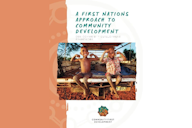
This resource is a practical guide from Community First Development that explains their First Nations approach to community development. It outlines a strengths-based framework shaped by culture, relationships and self-determination. The guide shows how communities can lead decisions, design local solutions and measure progress in ways that respect First Nations knowledge and value
Our Community Development Framework – a First Nations ApproachOur Knowledge, Our Way – Indigenous Knowledge Guidelines
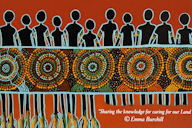
Our Knowledge, Our Way is a set of Indigenous-led best practice guidelines that show how Aboriginal and Torres Strait Islander peoples strengthen and share their knowledge to care for land and sea Country. The resource highlights respectful ways of working with Indigenous knowledge and building partnerships that support cultural leadership, land management and collaborative decision-making across research and practice.
Our Knowledge, Our Way – Indigenous Knowledge GuidelinesParliamentary Inquiry: Economic Self-Determination for First Nations Australians
This government inquiry explores how to improve economic self-determination and opportunities for Aboriginal and Torres Strait Islander peoples. Led by the Joint Standing Committee on Aboriginal and Torres Strait Islander Affairs, the inquiry examines barriers and enablers for training, jobs, business growth, access to capital and economic leadership. It gathers evidence from experts, organisations and communities and makes recommendations to strengthen pathways for First Nations economic participation and decision-making.
Parliamentary Inquiry: Economic Self-Determination for First Nations AustraliansThis companion resource, developed by Tammy Baart of Blak Ignited and Birdy Bird of The Land Back Foundation, maps the four-stage Personal Journey as their workbook: awareness, knowledge, challenge and connection. It organises curated readings, videos and activities into a guide for building cultural and emotional intelligence on Country.
Personal JourneyThis personal workbook, developed by Tammy Baart of Blak Ignited and Birdy Bird of The Land Back Foundation, guides social entrepreneurs through a self-directed journey of cultural and emotional intelligence for working respectfully on Country. It combines reflection, activities and frameworks for building genuine allyship with First Nations peoples.
Personal WorkbookPurpose, Community and Enterprise - Exploring Social Enterprise Through a First Nations Lens
This practical guide from BlackCard explores the connections between First Nations enterprise and the social enterprise sector. It argues that many First Nations organisations are already creating social, cultural and economic impact, and explores where First Nations ways of doing business, community development and impact creation intersect with the sector.
Purpose, Community and Enterprise - Exploring Social Enterprise Through a First Nations LensRAP Alignment: Opportunities, Learnings and Insights
This report from Dark Lightning draws on conversations with First Nations leaders and practitioners to explore how Reconciliation Action Plans (RAPs), formal commitments organisations make to advance reconciliation, can move beyond compliance and create genuine economic opportunity. It includes a practical six-step pathway for more meaningful engagement.
RAP Alignment: Opportunities, Learnings and InsightsThis resource from the Australian Indigenous Governance Institute (AIGI) examines the significance of relationships in First Nations governance. It covers cultural, community, and environmental connections, balancing roles, building trust, and fostering effective partnerships. The guide also explores allyship, network expansion, and practical strategies for creating balanced, respectful collaborations within Indigenous communities and beyond.
RelationshipsResourcing First Nations Enterprises: Insights from a Social Enterprise Development Learning Community
This report from the First Nations Projects Institute captures 25 First Nations contributors' experiences of funding systems. It finds that current funding models are scarce, complex and often misaligned with First Nations ways of working.
Resourcing First Nations Enterprises: Insights from a Social Enterprise Development Learning CommunitySelf-determination for Aboriginal and Torres Strait Islander peoples
Self-determination is vital to the governance and aspirations of Aboriginal and Torres Strait Islander peoples, enabling them to lead decision-making, exercise sovereignty, and build community-driven governance systems. This toolkit section outlines principles, pathways, and practical steps toward self-determination, including nation building, treaty processes, and sustainable development.
Self-determination for Aboriginal and Torres Strait Islander peoplesSystems Change Collective: Toolkit For Centering First Nations Storytelling
This toolkit from Common Ground helps social enterprises meaningfully embed First Nations storytelling and leadership. It argues that storytelling shapes systems and power, not just narrative, and offers three pillars for action.
Systems Change Collective: Toolkit For Centering First Nations Storytelling


.png?w=192)



.png?w=192)

.png?w=192)

-15.png?w=192)

.png?w=192)
.png?w=192)
.png?w=192)




 (8).png?w=192)
 (2).png?w=192)
.png?w=192)
.png?w=192)


.png?w=192)
 (9).png?w=192)



.png?w=192)

 (3).png?w=192)
.png?w=192)
 (10).png?w=192)
-2.png?w=192)
 (5).png?w=192)