Lessons from France: Embedding Work Integration Social Enterprises in the National Employment System
This report, published by White Box Enterprises, explores how France embeds work-focused social enterprises within its national employment system. It argues Australia could learn from France's approach as it redesigns its own employment services, particularly around funding and recognising these enterprises' role.
Lessons from France: Embedding Work Integration Social Enterprises in the National Employment SystemLet's Talk About Youth Engagement
Recruiting, onboarding and keeping young people engaged all sound simple until you're the one doing it. Three practitioners from youth-focused social enterprises talk through what actually works, and what they got wrong along the way, from handing out interview questions in advance to figuring out when it's okay to let someone go.
Let's Talk About Youth EngagementLeverage Points: Places to Intervene in a System
This foundational paper by Donella Meadows introduces 12 leverage points within systems where small interventions can drive significant change. It highlights the potential of paradigm shifts in addressing complex challenges, while acknowledging the resistance systems often present to such transformations.
Leverage Points: Places to Intervene in a SystemMaking Embassy with Tyson Yunkaporta
Discover Tyson Yunkaporta’s concept of “making embassy,” which fosters respectful, reciprocal, and meaningful relationships between people, groups, and systems. Rooted in Indigenous cultural practices, it emphasises relationality, shared purpose, cultural respect, and adaptability. Explore how this dynamic approach creates spaces for dialogue, collaboration, and the intersection of diverse knowledge systems.
Making Embassy with Tyson YunkaportaManaging the Managers: Nine Tips to Help Social Enterprises Build Outstanding Management Teams
This article shares practical tips for managing a social enterprise effectively. It covers leadership, financial discipline, team management, and staying focused on mission while running a sustainable business. The advice is designed to help social entrepreneurs balance impact goals with strong operational performance.
Managing the Managers: Nine Tips to Help Social Enterprises Build Outstanding Management TeamsThis Justice Connect guide outlines the key legal obligations organisations have towards volunteers. It provides practical examples, templates, and tips to help organisations navigate crucial areas, including the legal differences between volunteers, employees, and contractors; managing volunteer relationships; ensuring volunteer safety; addressing unlawful workplace behaviour; and handling intellectual property, privacy, and record-keeping issues.
Managing volunteersNarragunnawali: Reconciliation in Education
Narragunnawali is a program from Reconciliation Australia that helps schools and early learning services take action on reconciliation. It offers curriculum resources, professional learning and a Reconciliation Action Plan process designed specifically for education settings. Useful for teachers, school leaders and early childhood educators across Australia.
Narragunnawali: Reconciliation in EducationNational Disability Insurance Scheme (NDIS) Co-Design Hub
The NDIS Co-Design Hub supports inclusive disability service design by involving people with disabilities and their families. It provides resources, case studies, and best practices to foster collaboration between participants, service providers, and policymakers.
National Disability Insurance Scheme (NDIS) Co-Design HubNational Employment Services Association (NESA)
The National Employment Services Association (NESA) is Australia's peak body for employment services, advocating for systemic improvements, workforce development, and inclusive hiring. It supports employment practitioners and promotes job access for disadvantaged groups.
National Employment Services Association (NESA)National Reconciliation Week
This page from Reconciliation Australia introduces National Reconciliation Week, an annual event held each year from 27 May to 3 June. It explains the history and meaning of the week, the 2026 theme, and how individuals and organisations can get involved. It is relevant to anyone wanting to take part in or understand reconciliation in Australia.
National Reconciliation WeekNational Youth Engagement Toolkit
This national toolkit, developed by Future Minds Network, maps six stages young people move through when engaging with social enterprises, from first discovery to long-term leadership. Built from a year-long collaboration with over thirty youth organisations, it offers practical, tested strategies for any organisation wanting to engage young talent.
National Youth Engagement ToolkitNative Title Law Database
The Native Title Law Database is Australia's most comprehensive publicly accessible collection of native title case and legislation summaries. It helps traditional owners, legal practitioners, and researchers find and understand native title law in plain, searchable form. It is a practical starting point for anyone navigating native title processes in Australia.
Native Title Law DatabaseNature on the board - an open source guide
This guide shares, in plain English, how Faith in Nature recognised the legal Rights of Nature within its organisational structures. Based in the UK, It sets out how they went about it and the changes made to their ‘Articles of Association’.
Nature on the board - an open source guideNature positive business models
This online resource by Wedgetail brings together multiple examples of nature-positive business models being explored around the world.
Nature positive business modelsNot-for-profit Sector Development Blueprint
This report, published by the Department of Social Services, sets out a ten-year plan to strengthen Australia's not-for-profit and charity sector. Developed with sector leaders, it argues for stronger funding, regulation and government partnership so charities can keep supporting Australian communities long term.
Not-for-profit Sector Development BlueprintNow we are all measuring impact
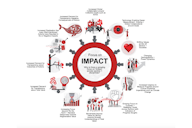
A rich introduction to the history of measurement and how different drivers have informed how we think about, and practice, impact measurement and evaluation today. Also includes some useful graphics that help distinguish different terms and approaches from each other.
Now we are all measuring impactOffice of the Registrar of Indigenous Corporations (ORIC)
This web page introduces the Office of the Registrar of Indigenous Corporations (ORIC), the body that registers and regulates Aboriginal and Torres Strait Islander corporations in Australia. It explains what ORIC does, who it serves, and the values it operates by. It is useful for anyone setting up or running an Indigenous corporation.
Office of the Registrar of Indigenous Corporations (ORIC)On Our Own Terms: Emerging Insights
This report from the On Our Own Terms project explores Lived Experience Leadership in Australia, meaning leadership grounded in personal experience of marginalisation or exclusion. Drawing on conversations with ten leaders, it argues this is a mature, community-anchored discipline already driving systems change, and calls on institutions to properly resource and recognise it. Relevant to funders, policymakers and social sector organisations.
On Our Own Terms: Emerging InsightsOpening Doors: Better Jobs and Fairer Wages for Disabled Workers
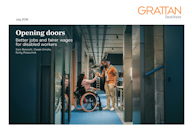
This report, written by Sam Bennett, Owain Emslie and Reilly Polaschek of the Grattan Institute, examines why Australia's disability employment system is failing people with high support needs. It argues for reform to boost open employment, phase out sub-minimum wages, and lift standards for disability-focused social enterprises.
Opening Doors: Better Jobs and Fairer Wages for Disabled WorkersOrganising in Place and Working Across Altitudes
Regen Labs and Regen Melbourne led an insightful webinar exploring how social enterprises can work across system layers, or "altitudes" to organise for place-based change. Using frameworks, real-world projects, and the concept of “altitude sickness,” the session offered practical tools to strengthen collaboration, coherence, and momentum in complex systems work.
Organising in Place and Working Across AltitudesOrienting Futures: Emerging Culturally and Ecologically Responsive Practice
This webinar explores how the Orienting Futures learning community brought social enterprise practitioners together to develop regenerative, decolonising and equity-centred approaches to systems change. Participants share how relational learning, brave conversations and practical frameworks strengthened their confidence, leadership and capacity to create more just, collaborative and sustainable futures.
Orienting Futures: Emerging Culturally and Ecologically Responsive PracticeOur Community Development Framework – a First Nations Approach
This resource is a practical guide from Community First Development that explains their First Nations approach to community development. It outlines a strengths-based framework shaped by culture, relationships and self-determination. The guide shows how communities can lead decisions, design local solutions and measure progress in ways that respect First Nations knowledge and value
Our Community Development Framework – a First Nations ApproachOur Knowledge, Our Way – Indigenous Knowledge Guidelines
Our Knowledge, Our Way is a set of Indigenous-led best practice guidelines that show how Aboriginal and Torres Strait Islander peoples strengthen and share their knowledge to care for land and sea Country. The resource highlights respectful ways of working with Indigenous knowledge and building partnerships that support cultural leadership, land management and collaborative decision-making across research and practice.
Our Knowledge, Our Way – Indigenous Knowledge GuidelinesOutcomes funds: Explained
This guide explains what an outcomes fund is and how it works. An outcomes fund brings together funding from different sources and pays organisations based on the results they achieve. The guide outlines who is involved and how these funds are set up and managed.
Outcomes funds: ExplainedParliamentary Inquiry: Economic Self-Determination for First Nations Australians
This government inquiry explores how to improve economic self-determination and opportunities for Aboriginal and Torres Strait Islander peoples. Led by the Joint Standing Committee on Aboriginal and Torres Strait Islander Affairs, the inquiry examines barriers and enablers for training, jobs, business growth, access to capital and economic leadership. It gathers evidence from experts, organisations and communities and makes recommendations to strengthen pathways for First Nations economic participation and decision-making.
Parliamentary Inquiry: Economic Self-Determination for First Nations Australians'Part Discount Grocer, Part Social Connection: Defining Elements of Social Supermarkets', Centre for Social Impact
This research paper by the Centre for Social Impact Flinders explores social supermarkets as an innovative model for addressing food insecurity. Combining affordable food access with social support, these supermarkets move beyond traditional food relief by integrating dignity, choice, and community connection. The paper highlights how social supermarkets offer a comprehensive approach, including financial, emotional, and skill-building services, fostering long-term independence and resilience for clients.
'Part Discount Grocer, Part Social Connection: Defining Elements of Social Supermarkets', Centre for Social ImpactParticipatory Budgeting: Meaning, Benefits & A Step-by-Step Guide
This article introduces participatory budgeting, a democratic process empowering citizens to influence public fund allocation. It covers its origins in Porto Alegre, Brazil, outlines key stages, and highlights benefits like transparency, trust, and community empowerment, making it an ideal resource for those exploring the concept.
Participatory Budgeting: Meaning, Benefits & A Step-by-Step Guide'Payment by Outcomes: Measuring the Effectiveness of Jobs-Focused Social Enterprises', Centre for Social Impact
This report by CSI Swinburne evaluates the Australian Government’s Payment by Outcomes (PBO) trial, which funds jobs-focused social enterprises based on employment outcomes. It assesses the impact on individuals facing work barriers, including those with disabilities, and explores the trial’s systemic and policy implications for employment services.
'Payment by Outcomes: Measuring the Effectiveness of Jobs-Focused Social Enterprises', Centre for Social ImpactPeer Learning in the Real World: Reflections from a WISE Community of Practice
This resource is currently being developed. If you would like to be notified when it is published, please email team@understorey.org.au.
Peer Learning in the Real World: Reflections from a WISE Community of PracticePeople and Planet First (PPF)
People and Planet First is a participatory verification and a global collective that’s helping accelerate the transition to an economy that puts people and the planet first.
People and Planet First (PPF)Permaculture Australia: Sustainable Living Through Design
Permaculture Australia promotes sustainable living and growing practices through the principles of permaculture, tailored to Australia’s unique climate and ecosystems. The organisation provides education, training, and certification in permaculture design, supports local projects focused on food security and regenerative agriculture, and advocates for ecological and social resilience. By fostering self-sufficient, sustainable communities, Permaculture Australia helps communities work in harmony with the environment.
Permaculture Australia: Sustainable Living Through DesignThis companion resource, developed by Tammy Baart of Blak Ignited and Birdy Bird of The Land Back Foundation, maps the four-stage Personal Journey as their workbook: awareness, knowledge, challenge and connection. It organises curated readings, videos and activities into a guide for building cultural and emotional intelligence on Country.
Personal JourneyThis personal workbook, developed by Tammy Baart of Blak Ignited and Birdy Bird of The Land Back Foundation, guides social entrepreneurs through a self-directed journey of cultural and emotional intelligence for working respectfully on Country. It combines reflection, activities and frameworks for building genuine allyship with First Nations peoples.
Personal WorkbookPerth City Farm as a Social Enterprise
This case study tells the story of Perth City Farm and its role as a social enterprise. It highlights how the Farm makes money through various activities while supporting the community and sustainability. It also offers lessons for others looking to build strong, local social enterprises.
Perth City Farm as a Social Enterprise‘Pitching and fundraising’, Acumen Academy
The Acumen Academy offers free online courses and resources for social entrepreneurs. Their blog series on fundraising and pitching social enterprises provides valuable insights for changemakers seeking to refine their pitching skills and increase their chances of securing support and funding.
‘Pitching and fundraising’, Acumen AcademyPlatform Cooperatives Toolkit
The Platform Cooperatives Toolkit provides practical resources for building fair, worker-owned cooperatives in the digital economy. It includes step-by-step guides, case studies, and tools to promote equitable ownership and sustainable employment.
Platform Cooperatives ToolkitPower dynamics: A systemic inquiry
This blog delves into power through a systems change lens, emphasising its importance in tackling sustainability challenges. It redefines power as a relational dynamic rather than a static state, exploring shifts from “power over” to “power with” approaches. Key themes include privilege, systemic challenges like climate change and inequality, and the fractal nature of power across scales. Combining theoretical insights with practical strategies, it provides tools for minimising hierarchical power, fostering collaboration, and building capacity for transformative, inclusive decision-making.
Power dynamics: A systemic inquiryPower Dynamics In Society Explained: Accelerate Your Business And Leadership Skills
This video examines how societal power dynamics—capitalism, patriarchy, and racism—shape behaviours, leadership, and business outcomes. It explores healing power structure wounds, aligning leadership with values, and empowering individuals through self-awareness and systemic change.
Power Dynamics In Society Explained: Accelerate Your Business And Leadership SkillsPrepare for Funding: The 4 Ps
This guide by Sefa (Social Enterprise Finance Australia) helps social enterprises get ready for funding. It explains four key areas to focus on: Purpose, Plan, Profit, and Prudence. It provides practical advice to strengthen strategy, financial planning and governance so organisations can confidently approach funders and investors.
Prepare for Funding: The 4 PsProblem Framing Canvas Workbook
This handbook helps you clearly understand the problem your social enterprise or project is trying to solve. When you understand the real problem, it is easier to find better solutions. The canvas and guide include simple tools to help you define the problem, see different types of problems, and identify practical actions you can take.
Problem Framing Canvas WorkbookProject Compass: A Social Enterprise Learning Program Empowering 11,500 Girl Guides
This report, developed by the Blueprint Expert Reference Group with support from the Department of Social Services, sets out a ten-year plan to strengthen Australia's not-for-profit and charity sector. It argues for stronger funding, regulation and government partnership so charities can keep supporting communities long term.
Project Compass: A Social Enterprise Learning Program Empowering 11,500 Girl GuidesProject Drawdown: The World’s Leading Resource for Climate Solutions
Project Drawdown is a nonprofit organisation dedicated to identifying and scaling science-based solutions to combat climate change. Focused on equitable, safe, and effective approaches, the organisation conducts research, engages stakeholders, and promotes solutions to drive meaningful action. Through storytelling and collaboration, Project Drawdown shifts the narrative on climate change from despair to possibility, offering practical pathways for individuals and organisations to contribute to impactful climate action.
Project Drawdown: The World’s Leading Resource for Climate Solutions Purpose as the Foundation of Good Governance
This is a webinar from the Good Governance Academy, featuring Danielle Duell of People with Purpose. It argues purpose should be the foundation of governance, not a statement on the wall, and shares a framework and seven board behaviours to close the gap. It explores purpose-led leadership.
Purpose as the Foundation of Good GovernancePurpose, Community and Enterprise - Exploring Social Enterprise Through a First Nations Lens
This practical guide from BlackCard explores the connections between First Nations enterprise and the social enterprise sector. It argues that many First Nations organisations are already creating social, cultural and economic impact, and explores where First Nations ways of doing business, community development and impact creation intersect with the sector.
Purpose, Community and Enterprise - Exploring Social Enterprise Through a First Nations LensRadical Collaboration to Transform Social Systems
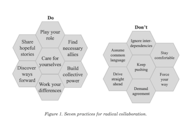
This article by Adam Kahane introduces ‘radical collaboration’ as a transformative approach to tackling systemic challenges. By integrating love, power, and justice, it fosters empathy, empowerment, and fairness among diverse stakeholders. This method aims to align differing interests and capacities, enabling inclusive and impactful systems change while navigating inherent tensions in collaboration.
Radical Collaboration to Transform Social SystemsThis guide explains how social enterprises can raise money beyond grants and donations by involving their community and members. It focuses on using a co-operative structure to attract investment, share ownership and build long-term financial support while staying true to social purpose.
Raise financeRaising Community Investment: Building the Co-operative Before Raising the Money
This case study, published by BCCM and written by Antony McMullen, shares practical lessons from Hepburn Energy's Taryn Lane on how co-operatives can raise community investment. It explores tools like member shares and debentures, and argues that trust and community design matter as much as the finance itself.
Raising Community Investment: Building the Co-operative Before Raising the MoneyRAP Alignment: Opportunities, Learnings and Insights
This report from Dark Lightning draws on conversations with First Nations leaders and practitioners to explore how Reconciliation Action Plans (RAPs), formal commitments organisations make to advance reconciliation, can move beyond compliance and create genuine economic opportunity. It includes a practical six-step pathway for more meaningful engagement.
RAP Alignment: Opportunities, Learnings and InsightsReflections on the Funding Landscape for Rural, Regional and Remote Social Impact
This report shares findings from a deep learning community of rural and remote impact leaders and funders across Australia. It argues that poor data, mismatched communication and hidden costs are holding back funding for social impact outside cities, and suggests new capital models to fix this. Useful for funders, impact leaders and policymakers.
Reflections on the Funding Landscape for Rural, Regional and Remote Social ImpactLearn more about what regenerative agriculture is and how we can grow food in a way that gives back to people and the planet.
Regen 101



.png?w=192)
.png?w=192)
.png?w=192)
.png?w=192)
-1.png?w=192)








.png?w=192)


-2.png?w=192)
.png?w=192)


.png?w=192)

-19.png?w=192)
.png?w=192)
.png?w=192)
.png?w=192)
.png?w=192)

.png?w=192)
.png?w=192)
 (3).png?w=192)
.png?w=192)