28 Apr 2026
Dismantle case study (page 3)
By Pat Ryan (CEO, Dismantle)
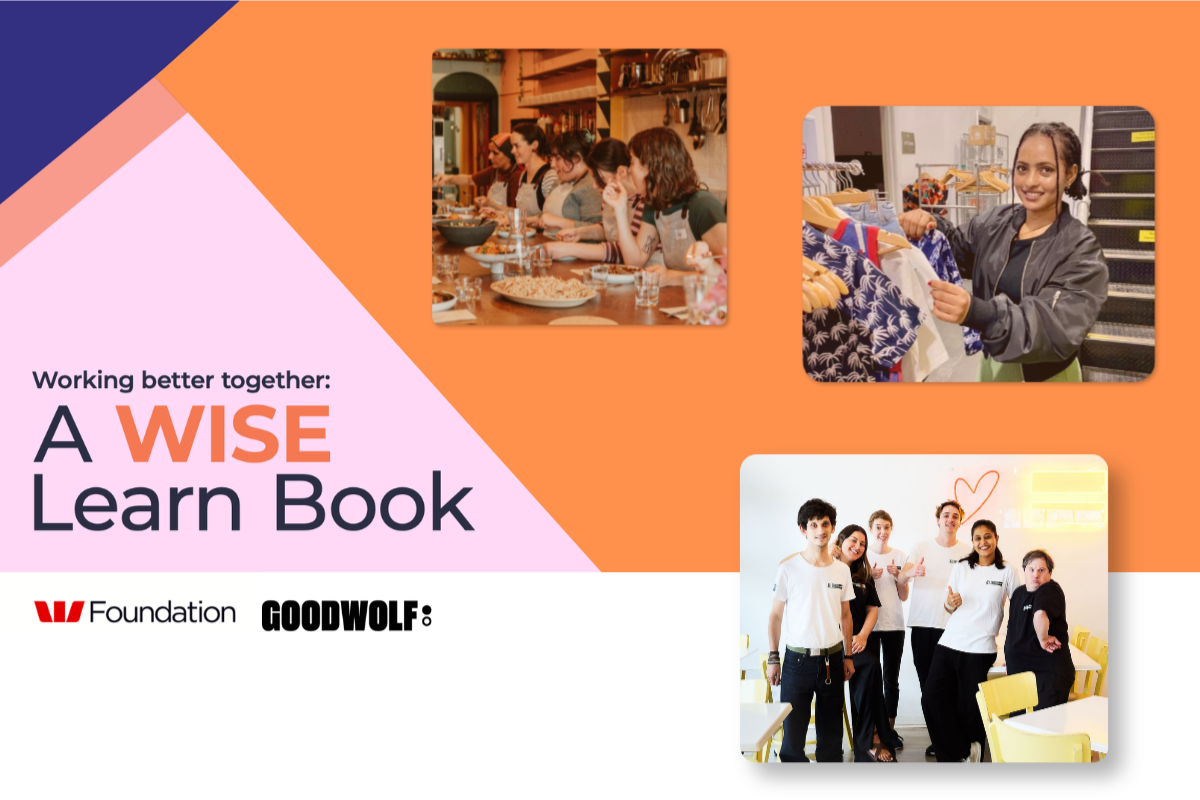
Governance breakdown, frozen funding pipelines, and a lost premises hit simultaneously. This work integration social enterprise (WISE) case study follows Dismantle's CEO and board as they navigated near-insolvency, and what they learned about financial capability, funder relationships, and leadership fatigue.
View resourceSummary
Dismantle is a Perth-based WISE that creates paid employment, training, and wrap-around support for young people facing significant disadvantage. Its social enterprise, ReNew Property Maintenance, embeds young employees directly in service delivery, they are not adjacent to the business; they are the business. Since 2013, Dismantle has supported more than 3,000 young people, employed 150 through ReNew (74% in their first-ever job), and paid $1.8 million in wages. A $100,000 seed investment grew into $5.6 million in trade revenue. In 2024, 73% of exiting employees moved into further employment, education, or training.
What happened
Dismantle's crisis emerged from three shocks converging in quick succession. First, a prolonged period of board misalignment diverted leadership attention and organisational energy away from running the business. Second, two major anticipated philanthropic partnerships froze mid-process, neither had been written into the budget, but significant time and relationship capital had been invested in developing them. Third, a key operating premises was lost with just 60 days' notice. Individually, each was manageable. Together, they exposed thin financial buffers and pushed the organisation toward insolvency.
As CEO Pat Ryan describes it: 'If you think about the last two years, there have been at least three different phases of existential threat. Slightly different, but all real.'
How they responded
The board and leadership chose to act before the situation became irretrievable. Dismantle entered Safe Harbour, allowing directors to continue trading while pursuing a recovery plan.
The first move felt counterintuitive: invest in financial expertise during a cash flow crisis. Dismantle brought on a highly experienced CFO on a consulting basis. The CFO's role was to translate operational and impact realities into legally sound financial strategies, 'I could tell him stories about the business. He could turn those stories into numbers.'
Rather than imposing a restructure from the top, Pat presented an early, imperfect proposal to the management team and invited collaborative redesign. Together, they explored reducing reliance on casual staff, redeploying full-time staff, temporary reductions in hours, and reshaping roles to protect core impact while avoiding redundancies. These proposals were then stress-tested by the CFO for compliance and viability.
With funders, Dismantle focused on building credibility, presenting a clear recovery narrative about where they were, where they were going, and what role philanthropic capital could play. Some funders withdrew. Others returned later with advice that contradicted earlier positions. A small number moved quickly to provide written confidence in the model and committed extension funding for two years.
Pat is direct about the power imbalance that can exist between philanthropy and WISEs: 'Funders need to be aware of the bait and burley they release into the sector.' The cost of extended, substantive conversations about grants that are later paused or abandoned is real, in time, energy, and opportunity cost.
Dismantle also deliberately shifted its language internally from 'growth' to 'development', refocusing on quality, capability, and resilience.
What sustainability looks like for Dismantle
When asked what a genuinely sustainable model would look like, stripped of external pressure, Pat described individual business units operating at around a 5% margin after program costs, contributing to a parent organisation that is roughly 80% trade-funded and 20% supported through grants and donations, with philanthropy focused on development and new initiatives. Even in that optimal state, philanthropy has an ongoing role.
Dismantle's experience also surfaced the administrative burden of misaligned reporting requirements. One funder wanted headcount of participants completing at least eight hours of work; another wanted roles sustained three days a week for 12 months; Workforce Australia required six months at 20 hours per week; Dismantle's own internal KPI was gross wages paid. All measuring the same underlying thing, differently.
Key learnings
Governance alignment is foundational. Misaligned governance consumes leadership capacity and compounds risk. WISEs need a high-functioning board to track multiple priorities and provide clear direction in times of crisis. For funders: board capability and CEO–board alignment are worthy areas for philanthropic investment.
Invest in financial capability early. A qualified CFO can be the difference between recovery and collapse. For funders: funding financial capability is an important step in a WISE's maturation, a competent CFO can change the trajectory of an organisation in crisis.
Leadership fatigue is a structural risk. Each crisis draws down a finite reserve of energy and judgement. As Pat reflects: 'The energy I had to contribute was less than the crisis before. This time, even less again.' For funders: reduce burnout risk by investing in coaching, CFO support, leadership development, and executive backfill, and design funding that creates breathing room for CEOs and founders to lead effectively.
Trust-based practice requires practical action. For funders: move quickly to clarify whether support is likely. Align reporting to a small set of shared metrics wherever possible. Be explicit about what happens if conditions change, and avoid withdrawing abruptly without clear communication.
The main learn book and associated case studies were commissioned by Westpac Foundation (and prepared by GoodWolf Partners).
Related resources
Australian Spatial Analytics (ASA) case study (page 12)
Case studiesOvernight loss of two major clients halved ASA's revenue and exposed structural vulnerabilities built during growth. This work integration social enterprise (WISE) case study examines how employment model design, geographic expansion, and philanthropic incentives shaped, and complicated, the path to recovery.
Learn more
WISE in Practice: Insights from the WISE Learn Book
WebinarsThis session brings together voices from across the social enterprise ecosystem to share what’s been learned from over two decades of funding and supporting Work Integrated Social Enterprises (WISEs).
Learn more
Working better together: A WISE Learn Book
ReportsTwo decades of funding Work Integration Social Enterprises taught Westpac Foundation hard lessons about impact costs, sustainability, scaling, and philanthropy's role. This summary of their 2026 Learn Book distils those insights for WISEs, funders, and sector intermediaries across Australia.
Learn more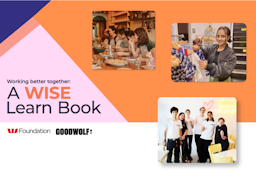
Free to Feed case study (page 6)
Case studiesTen years of culturally safe, trauma-informed employment for refugees ended in closure. Free to Feed's founder and board chair speak honestly about why, as a work integration social enterprise (WISE), impact costs and trade income are in permanent tension, and what that meant when funding fell short.
Learn more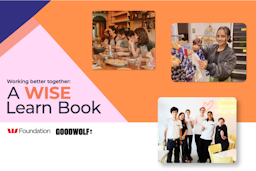
Green Collect case study (page 9)
Case studiesCovering 93% of costs through trade, this work integration social enterprise (WISE) looked close to financial independence, then a new venture failed badly. Green Collect's case study explores what happens when growth projections don't meet reality, and how the organisation rebuilt with greater clarity and resilience.
Learn more
-1.png)
We’d love to hear from you!
Understorey is shaped by the people and organisations across Australia. Have suggestions, ideas or resources to share? Get in touch and help us make Understorey more useful, relevant and accessible for everyone.
Get in touch