A wide landscape showing red rock outcrops surrounded by green grasses and trees, with a shallow pool of water in the foreground reflecting the vegetation. The scene feels calm and expansive, highlighting the contrast between rocky terrain and lush growth.
Photo credit: Maria Fredericks, Kalumburu Photography Collective

Resource library

This library holds a chosen collection of useful tools, guides, and resources in the social enterprise sector. You can explore guides, articles, and more to support your journey. If you're starting a social enterprise, facing sector challenges, or looking into the impact economy, you’ll find something useful here.

decorative swirl

Suggest a new educational resource or update here to help keep this library useful.

4 results found

  • Cover of the white paper 'AI for Impact: The PRISM Framework for Responsible AI in Social Innovation,' featuring the Schwab Foundation logo, World Economic Forum branding, and a photo of a woman. Published June 2024.

    AI for Impact: The PRISM Framework for Responsible AI in Social Innovation

    White papers

    This report introduces the ‘PRISM Framework,’ a guide for responsibly integrating AI into social innovation. Developed with EY and Microsoft, it offers pathways for organisations at various AI adoption stages. The framework aligns AI with impact goals, highlights scalable approaches, and addresses key considerations like ethics, data security, and transparency.

    AI for Impact: The PRISM Framework for Responsible AI in Social Innovation
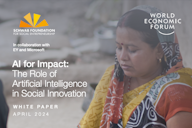
  • Cover of the white paper titled 'AI for Impact: The Role of Artificial Intelligence in Social Innovation,' featuring the Schwab Foundation for Social Entrepreneurship logo, in collaboration with EY and Microsoft, and a photo of a woman in traditional attire.

    AI for Impact: The Role of Artificial Intelligence in Social Innovation

    White papers

    This report by the Schwab Foundation, EY, and Microsoft explores AI’s transformative role in global social innovation. Drawing on insights from 300 social innovators across 50 countries, it highlights AI’s impact on healthcare, environmental sustainability, and economic empowerment. The report examines barriers to adoption, opportunities for scalable solutions, and ethical considerations, offering case studies and practical guidance for leveraging AI responsibly to address societal challenges.

    AI for Impact: The Role of Artificial Intelligence in Social Innovation
  • An abstract artwork inspired by Indigenous art styles, featuring interconnected patterns and shapes in earth tones like red, brown, orange, green, and yellow. The design includes circular motifs, concentric patterns, and dotted lines, symbolising community and connection.

    'Cultural Safety in Australia: Discussion Paper', Lowitja Institute

    White papers
    First Nations

    Cultural safety is pivotal for achieving equity and inclusion in health and human services. This paper focuses on embedding cultural safety into systems for Aboriginal and Torres Strait Islander peoples, addressing systemic racism and power imbalances. While primarily health-focused, its insights are applicable across sectors like social enterprise, community development, and governance.

    'Cultural Safety in Australia: Discussion Paper', Lowitja Institute
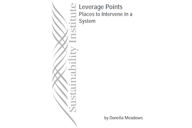
  • Cover page of 'Leverage Points: Places to Intervene in a System' by Donella Meadows, featuring the Sustainability Institute logo with a vertical spiral design.

    Leverage Points: Places to Intervene in a System

    White papers

    This foundational paper by Donella Meadows introduces 12 leverage points within systems where small interventions can drive significant change. It highlights the potential of paradigm shifts in addressing complex challenges, while acknowledging the resistance systems often present to such transformations.

    Leverage Points: Places to Intervene in a System

Do you know of a resource that could benefit the social enterprise sector?

Submit resource
Request now
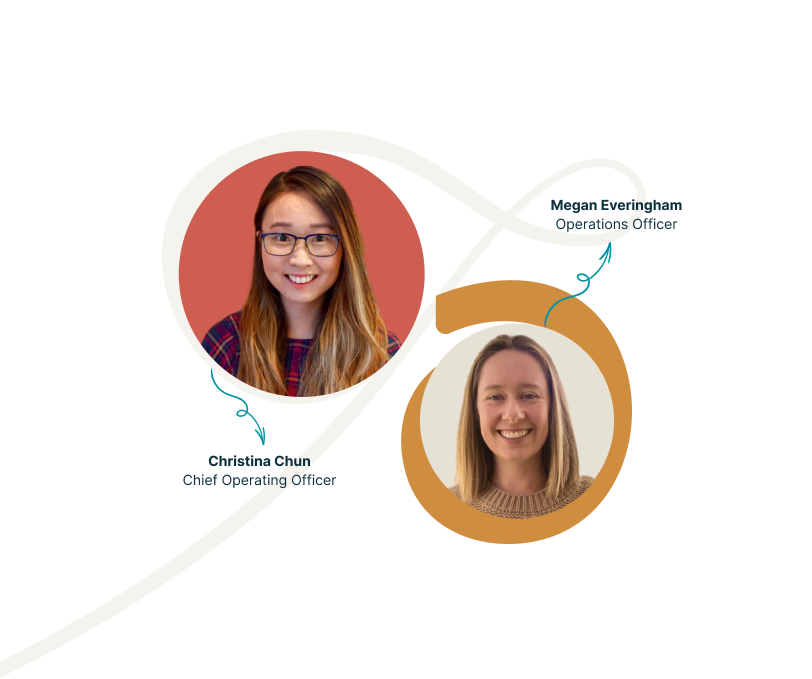
Team portrait photos - contact us

We’d love to hear from you!

Reach out to one of our team members, and share input and ideas about how we can evolve Understorey.

Get in touch