26 Nov 2025
Rural and Remote Funding to Deliver Social Impact
Sefa Partnerships convened a webinar exploring how funding for social impact is designed, delivered and experienced across rural and remote Australia. Drawing on a peer learning community of funders and impact leaders, the session shared insights on obstacles and opportunities to increase the flow of funding across Australia’s diverse geographies.
Summary
This webinar explores how funding for social impact is designed, delivered and experienced across rural and remote Australia, drawing on insights from a 12-month peer learning community convened by Sefa Partnerships. Bringing together rural and remote impact leaders and funders, the session reflects on funding approaches in rural and remote areas; the lived realities of social impact change-makers in these contexts; and opportunities for bridging these differences.
The conversation explores the mismatch between short-term, transactional funding models and long-term, relational, place-based social impact work. Change-makers highlight the pressures of repeated grant writing, the hidden cost of collaboration, the burden of unpaid labour, and the challenge of proving impact within systems that do not always value local knowledge, time, distance or context. Speakers also reflect on the language of “capacity building,” arguing for a shift towards recognising existing strengths and removing structural barriers instead.
The webinar also surfaces practical and hopeful directions for reform. These include more flexible and multi-year funding, better support for experimentation and evidence-building, funding approaches that value trust and relationship, and more open dialogue between funders and social enterprise leaders. Through art, storytelling and open reflection, the session invites a more human approach to rural and remote funding - one that strengthens connection, improves the flow of capital, and better reflects the realities of social impact in rural and remote Australia.
Show notes and quotes
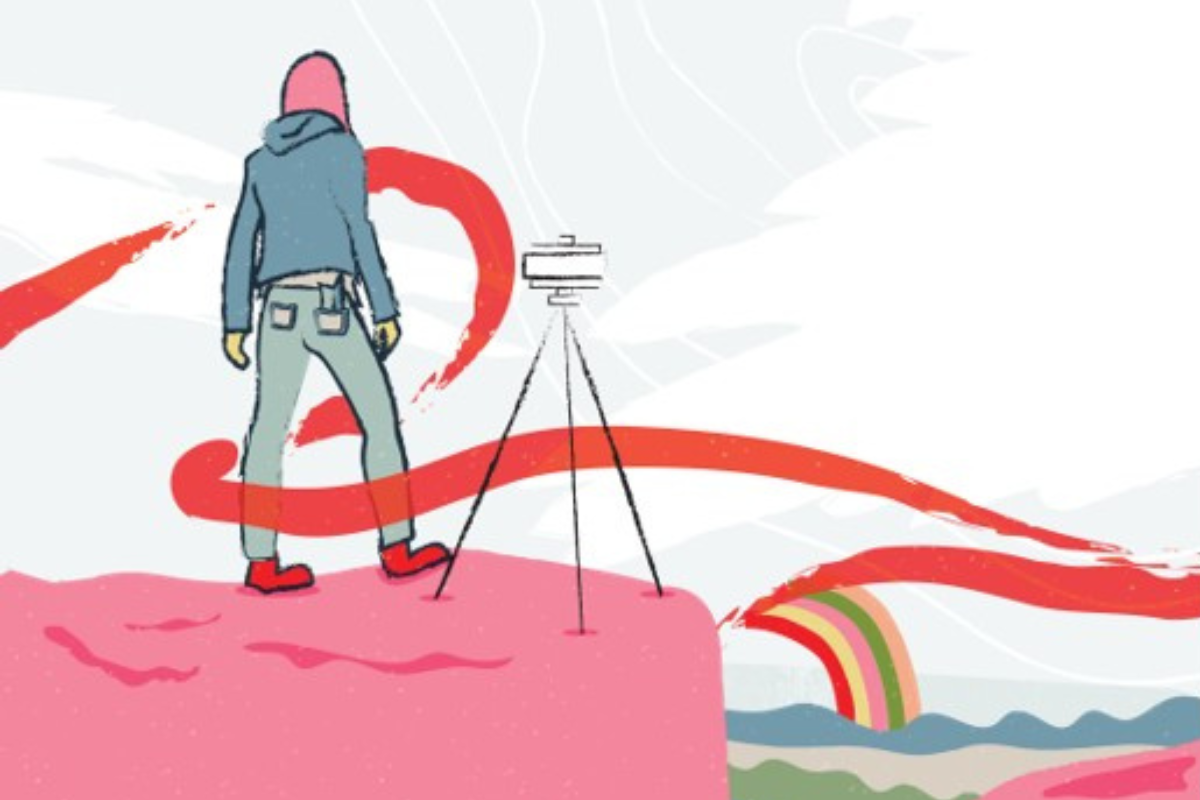
Rachel Viski: “There needs to be a better way to communicate and to build relationships across the rural, remote and metro landscape to make funding more human-centred. This program showed me it is possible. The illustrations were bridges, and the conversations they carried showed me we can build something better when we trust the messy, uncomfortable human process of getting there.”
Andrea Hogg: “We already knew some things, but we didn't know others, and we were naming them. I think once you name something and bring it into the public consciousness, then you have to do something about it. Right? You can't pretend that it's not there because you know about it.”
Clare Wood: “It struck me, you can see this river is starting to fill up. There was some rain, and a pressure system came over. Quite often it could be dry and desolate, and then other times it's in complete flood. I think that's the experience of running a social change organisation. Hanging on through dry periods and then experiencing a flood, and then not having the growth to do that properly… I was imagining what if you had conversations with funders that got to back you in those times and understand the context of floods and dry seasons, and capacity might be stronger?”
Sarah Kilalea: “To achieve the impact, go back to these communities and help support them economically, you can't just be there, like we discussed in the meeting, like a seagull, where you fly in and you fly out. We want to be there for months at a time, helping support, helping collaborate and building the skills so it stays in those regions. To do that we need grants and sponsorships that actually sustain us so we can achieve that amazing impact.”
Rebel Black: “... safe, real, transparent and authentic conversations … Because change does not happen in the absence of that. We can't move the needle on anything that we're not willing to be truthful about. We can't be truthful about these things unless we're in safe containers to have those difficult and uncomfortable conversations.”
Trevor Meldrum: “We are also attuned to our ancestors because our ancestors have instructed us over the years that we must share everything…whether it's imperfect, perfect or no good at all, we like to share our good, the bad and the ugly.”
Fiona Maxwell: “It became a strong, trusted and respectful conversation around the power dynamic that ultimately exists between funders and grant seekers. Having spent nearly all my career as a grant seeker, it is an immense privilege to be in this position of giving money. We had a really hearty discussion around, yes, this very major national funder who had very proudly received 3,000 applications for 30 grants and thought that was a good thing. Across all of us in the group, we were appalled. That was not something to be proud of. That was 10,000 not-for-profit hours that hadn't translated.”
Jennifer Jones: “I love that there are great things happening because of great people who have great skills that they have built. But how could we resource it so we're not relying on that individual and putting all the responsibility and burden on them? But resourcing everyone to gain those skills and moving from competition to collaboration.”
Explore more
For those who are keen to dive deeper and do differently, here are some links to learnings and resources mentioned by the speakers and/or related to the open learning topic:
- Sefa Partnerships
- Sefa
- Impact Investment Summit
- Australian Centre for Rural Entrepreneurship
- State and Territory Social Enterprise Peaks:
- Foundation for Rural & Regional Renewal
- Minta Viski
- Indigenous Advancement Strategy
- Enterprise Partnerships Western Australia
- Queensland Music Festival
- THE Rural Woman Cooperative Board
- Lightning Ridge Area Opal Reserve
- The John Villiers Trust
- Queensland Place Network
- Global Impact Investing Network
- Regional Arts Australia - Announcement: New Funding Initiative
- Maganda Makers
- Social Impact In The Regions
- Change Fest
-1.png)
We’d love to hear from you!
Understorey is shaped by the people and organisations across Australia. Have suggestions, ideas or resources to share? Get in touch and help us make Understorey more useful, relevant and accessible for everyone.
Get in touch