15 May 2026
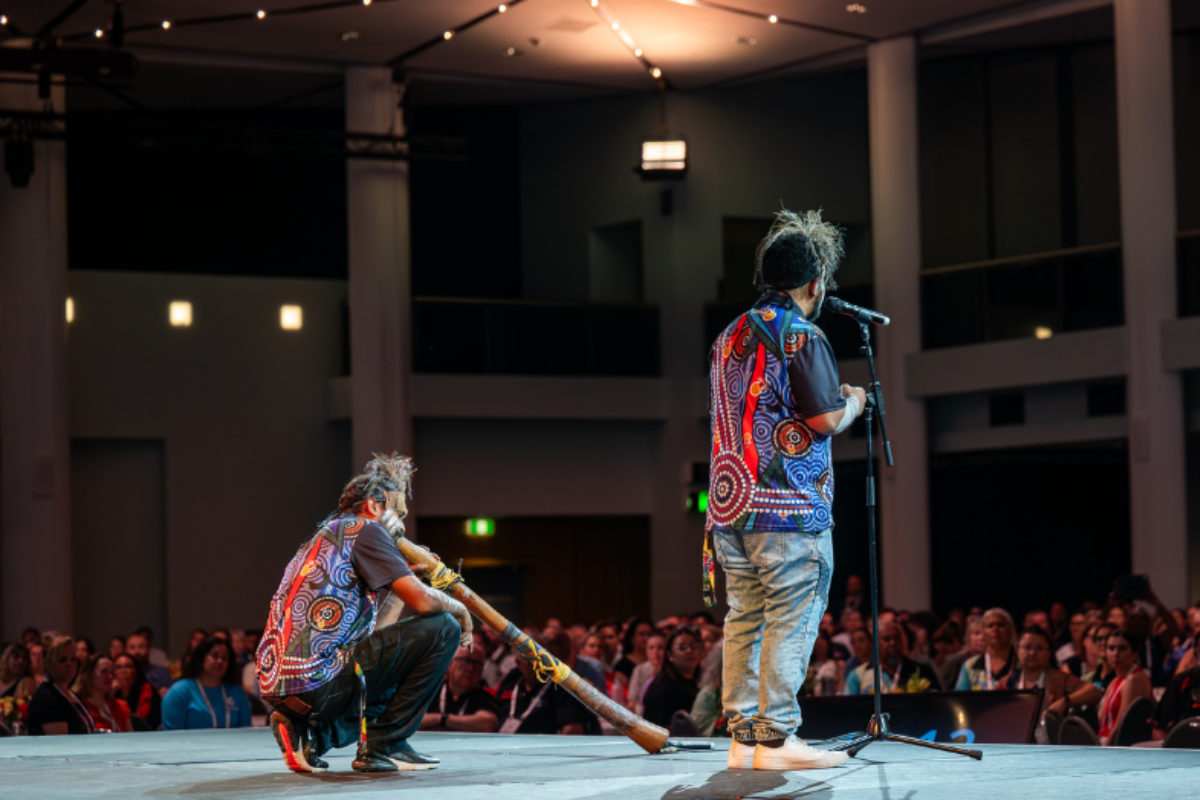
Acknowledgement of Country and Welcome to Country
By Reconciliation Australia
This guide from Reconciliation Australia explains the difference between Welcome to Country and Acknowledgement of Country, and how to do both respectfully. It covers the cultural protocols behind each practice and offers practical wording and examples. It is useful for anyone organising events, meetings or communications in Australia.
View resourceSummary
This guide is published by Reconciliation Australia. It explains two distinct cultural practices: Welcome to Country and Acknowledgement of Country. Welcome to Country is delivered by Traditional Owners, or people given permission by Traditional Owners, to welcome visitors to their land. Acknowledgement of Country can be offered by anyone to show respect for Traditional Owners and their ongoing connection to the land.
The guide explains that protocols for welcoming visitors to Country have long existed in Aboriginal and Torres Strait Islander cultures. Crossing into another group's Country required permission, and visitors were expected to respect the rules of the land owner group. Today these protocols continue, adapted to contemporary settings, at the start of formal events and meetings.
The guide provides suggested wording for an Acknowledgement of Country and notes that there is no fixed script. It also explains how acknowledgements can be adapted to different contexts, such as in email signatures, on websites or in professional settings. It points readers to the AIATSIS Map of Indigenous Australia and local Land Councils for help identifying the Traditional Owners of a specific area.
The guide also covers virtual and at-home ways to acknowledge Country, including ideas for schools and workplaces. It closes with an explanation of the word "Country" in Aboriginal and Torres Strait Islander cultures, where the term refers to more than land and includes values, stories, resources and cultural obligations associated with an area.
We’d love to hear from you!
Reach out to one of our team members, and share input and ideas about how we can evolve Understorey.
Get in touch